
Tyrrell County Bench Warrants
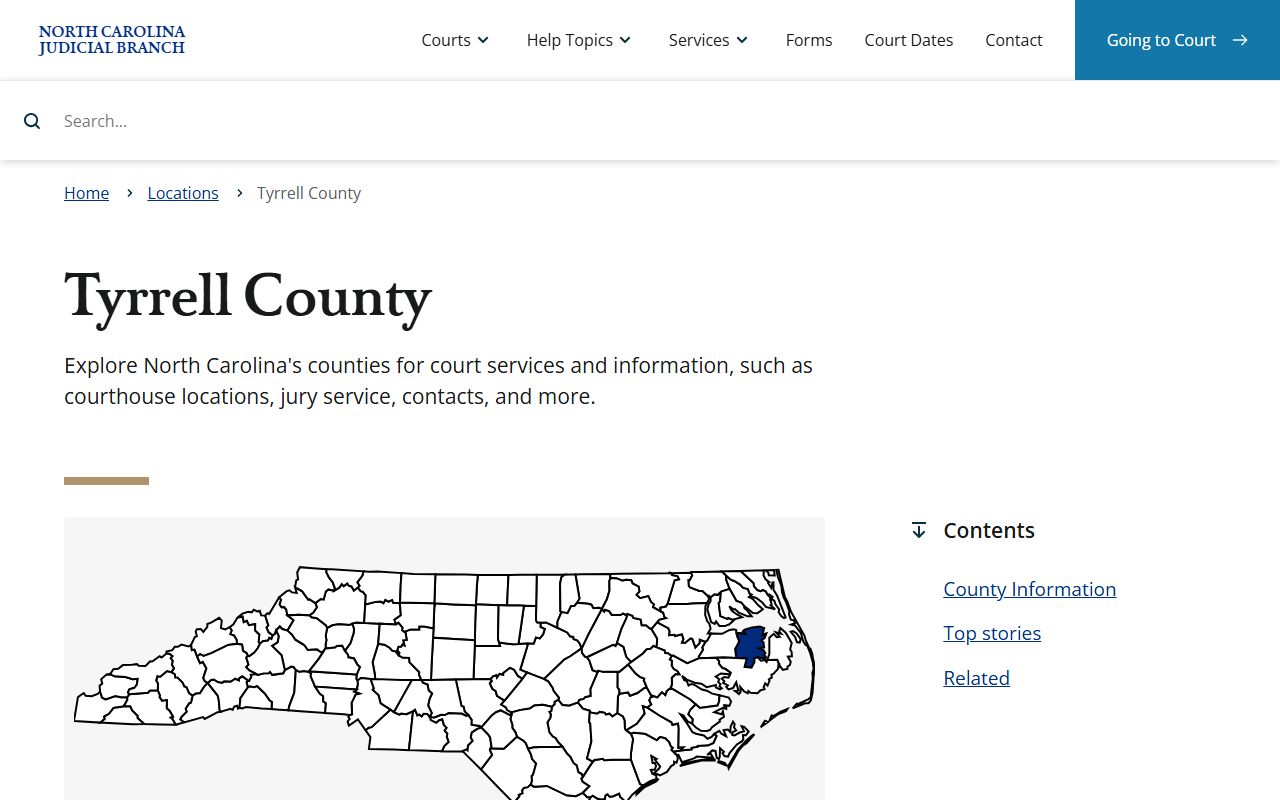
Tyrrell County bench warrants are handled at the courthouse in Columbia, North Carolina. Tyrrell is the least populated county in North Carolina, with about 4,000 residents spread across 594 square miles of coastal northeastern land. Bench warrants in Tyrrell County are issued when someone misses a court date or fails to follow a court order. Searching for bench warrants can be done at the clerk of court office in Columbia or through statewide court record tools.
Tyrrell County Quick Facts
Tyrrell County Warrant Records
The Clerk of Superior Court in Tyrrell County keeps all bench warrant records. The office is at 403 Main Street in Columbia. Despite the county's small size, the court handles the full range of criminal and civil cases. Staff can check for active bench warrants during office hours.
A bench warrant in Tyrrell County is a court order signed by a judge. Under G.S. 15A-305, the court can issue a warrant when a person fails to appear or violates court conditions. The bench warrant goes to the sheriff for service. It stays active in Tyrrell County until it is executed or canceled.
| Court |
Tyrrell County Clerk of Superior Court 403 Main Street Columbia, NC 27925 Phone: (252) 766-6510 |
|---|---|
| Hours | Monday through Friday, 8:00 AM to 5:00 PM |
| Sheriff |
Tyrrell County Sheriff's Office Columbia, NC Phone: (252) 796-2251 |
| Website | nccourts.gov/locations/tyrrell-county |
How Bench Warrants Work
Bench warrants in Tyrrell County follow the same process as the rest of North Carolina. A person has a court date. They do not show up. The judge may sign a bench warrant that day. The sheriff then has a legal order to find and arrest the person.
Other causes of bench warrants include violating probation, not paying fines, and failing to follow court orders. Under G.S. 15A-401, any officer in North Carolina can serve the warrant. Even though Tyrrell County is small and rural, the bench warrant enters a statewide system. A person could be picked up anywhere in the state on a Tyrrell County bench warrant.
The Tyrrell County Sheriff's Office covers a large area with a small staff. Deputies serve bench warrants as part of their regular duties. They check for active warrants during traffic stops, calls, and other contacts. Call (252) 796-2251 if you need to check on a bench warrant in the county.
Searching Tyrrell County Bench Warrants
There are a few ways to look up bench warrants in Tyrrell County. Call the sheriff at (252) 796-2251. They can tell you if a bench warrant is on file. Visit the clerk of court at 403 Main Street in Columbia for a full record check. Bring your ID.
The NC eCourts Portal is a free online tool for searching court records. It covers all 100 counties, including Tyrrell. Look for failure to appear entries in case records. These often point to a bench warrant. The NC Judicial Branch site has more links to court resources.
Under G.S. 132-1, bench warrants in North Carolina are public records. You can view them at the Tyrrell County courthouse without being part of the case. The Department of Adult Correction has offender search tools, and CJIN holds statewide criminal justice data.
Clearing a Tyrrell County Bench Warrant
A bench warrant in Tyrrell County will not expire. It remains active until served or recalled. Having an open warrant creates constant risk. Any law enforcement contact could result in arrest.
An attorney can file a motion to recall the bench warrant with the Tyrrell County court. This gives the person a chance to appear voluntarily and resolve the matter. Under G.S. 15A-543, anyone arrested on a bench warrant must be brought before a judge promptly. The court reviews the case and sets new terms.
Under G.S. 15A-534, bond conditions may change after a bench warrant arrest in Tyrrell County. Judges can raise bail or add restrictions. Addressing the bench warrant before arrest often results in more favorable terms from the Tyrrell County court.
Nearby Counties
These counties surround Tyrrell County in northeastern North Carolina. Bench warrants are tied to the county where the case was filed. Verify the issuing county before contacting a clerk.